
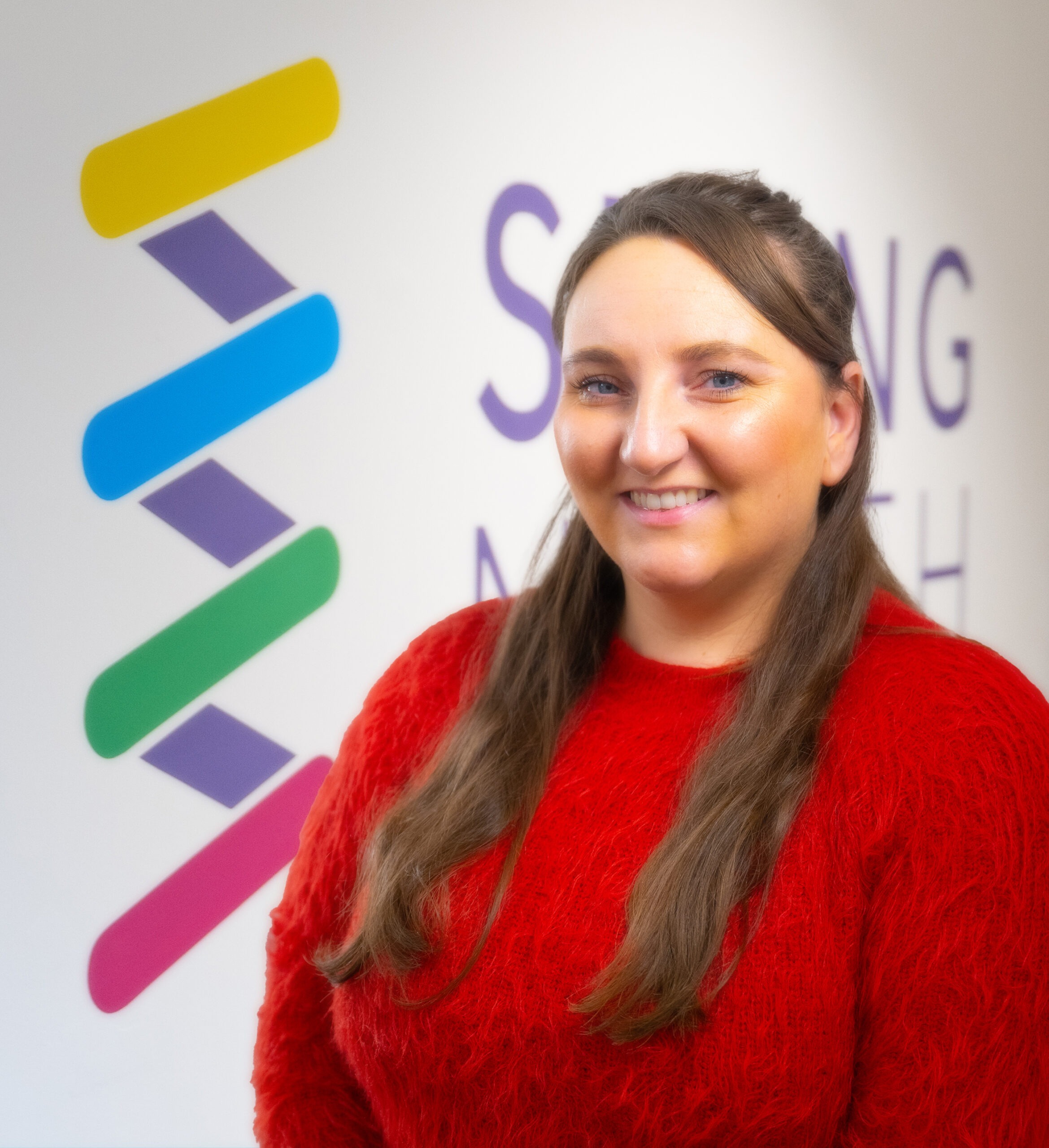
Meet the team – Jade
For the first in our Meet the Team series, we spoke to Jade about her journey into Spring North, her work in community health, the importance of trusted local organisations and what she has learned from working alongside communities across Lancashire and South Cumbria.
Tell us a little about yourself and your role at Spring North
I joined Spring North three years ago as a Project Officer after working in the voluntary, community, faith and social enterprise sector, including with the sexual health charity Brook and other youth organisations.
I had seen how much good smaller organisations were doing, but also how often they were having to fight for relatively small amounts of funding. That was one of the things that made me want to move into commissioning and help create opportunities for those organisations.
My degree is in sexual health and I originally worked in that field, including teaching in schools. Since joining Spring North I have progressed to Project Manager and now work across our health portfolio, which at the moment includes a significant amount of cancer-related work.
A key part of your work has involved supporting South Asian communities. Why is this work so important?
One of the main programmes I work on is a three-year Macmillan learning project in Blackburn with Darwen focused on South Asian communities.
We know there can be barriers at different points of the cancer journey, from early diagnosis and accessing services through to treatment, personalised care and support afterwards.
Our approach is about working within communities and building trust. We recruit cancer champions who can help challenge myths, provide information, signpost people to services and offer advocacy and support.
Our community engagement staff also provide very practical support. That might mean translating information, helping someone understand what services are available or simply sitting with someone while they receive chemotherapy.
Faith and family can play a significant role too, so we have developed relationships with organisations including Safina, the UK’s Muslim cancer support charity, as well as local GP practices. We have also introduced consistent cancer information boards across GP practices in parts of Blackburn.
One of the biggest things we have learned is that many of the barriers we see are not unique to one community. Issues around access, trust, communication, culture and confidence can affect many different groups, which means the learning has relevance far beyond this one programme.
How have partnerships with the Lancashire and South Cumbria Cancer Alliance helped create opportunities for our members?
The Cancer Alliance partnership has created significant opportunities for community organisations.
We ran a six-month pilot which funded 18 organisations and, this year, 31 organisations have received grants alongside six anchor organisations recruiting cancer champions.
What I really like about the model is that we are not telling organisations exactly how they must deliver health awareness. Community organisations know their own communities and understand the approaches that will work.
We have seen everything from knitted breast models and informal tea-and-talk sessions to fishing groups, football clubs and projects involving young people. One organisation developed an idea called Annie Not Granny, helping grandchildren talk to grandparents about cancer awareness because they recognised that, within their community, grandparents were often more likely to listen to younger family members.
That flexibility allows organisations to use the relationships they already have while also developing new skills and knowledge.
What’s the biggest lesson you’ve learned through your work in community health?
Probably how many opportunities there are to reach people through everyday community life.
Before doing this work, I might not have thought of myself as somebody who regularly uses community services. But when you look more closely, those touchpoints are everywhere.
My son goes to jiu-jitsu in a community building run by a CIC. He plays cricket through an organisation with charitable links. People attend sports clubs, hobby groups, social groups and community activities all the time.
Those places already have trusted relationships with people. If we can give those organisations some additional knowledge and confidence, they can add real social value simply by knowing how to start conversations or where to signpost somebody for help.
You’re attending the Macmillan conference in Belfast later this year. What are you hoping to learn?
It is very much a learning opportunity.
The conference is linked to another Macmillan champions project, this time focused on LGBTQ+ communities. Their project is further along than ours and they have generated some really useful findings.
We will be holding our own conference next year as our project moves towards its final stages, so part of the learning is practical. I want to understand what worked well for them and how they brought people together.
More importantly, though, I want to learn from the conversations and findings coming out of their work. We have found LGBTQ+ communities particularly difficult to engage through some of our Cancer Alliance funding opportunities, so understanding what has worked elsewhere could be incredibly valuable.
How will you bring that learning back to benefit Spring North members and partners?
The value comes from taking what has worked elsewhere and considering how it could be adapted for Lancashire and South Cumbria.
It is not about simply copying another project. Different communities need different approaches. But if another area has learned how to build trust, reach people more effectively or overcome a particular barrier, we can share that learning with our members and partners.
It is also an opportunity to build relationships with organisations and professionals from across the UK who are dealing with similar challenges. Those connections can be just as useful as the formal conference sessions.
What advice would you give organisations looking to improve health awareness within their communities?
Don’t think you need to be a health expert.
If you are already talking to people in your community, you can help share health messages. It could be as simple as encouraging someone to speak to their GP because something has changed or reminding people about screening.
People often talk much more openly in environments where they feel comfortable. Somebody might mention a symptom over a cup of tea or during a community activity that they would never think to raise formally with a health professional.
The role of the community organisation is not to diagnose anything. It is about having the confidence to recognise when somebody might benefit from seeking professional advice and knowing where to signpost them. Training and resources can give organisations the knowledge they need to do that safely and effectively.
What’s been your proudest achievement since joining Spring North?
Our men’s health event in July probably takes that title.
We had previously held a Macmillan launch event which attracted more than 200 people, but the majority were women. We recognised that we needed to do something specifically to engage more men.
Working with community partners including One Voice and IMO, we developed a family-friendly men’s health event. More than 300 people attended and, importantly, the majority were men.
We brought together cancer awareness, mental health support and a range of community organisations. There were interactive resources including a giant bowel and giant lung, and partners covering areas including men’s mental health and wider wellbeing.
It demonstrated what can happen when you listen to communities, think differently about how to engage people and create something that people actually want to attend.
What do you enjoy most about working at Spring North?
The team, definitely, and the opportunities we are able to create for smaller organisations.
Spring North gives people the freedom to get things done and to respond to opportunities. I have been given a huge amount of support since joining and plenty of opportunities to develop professionally.
But ultimately, it comes back to the organisations we work with. There are so many brilliant grassroots groups doing incredible things in their communities, often with very limited resources. Being able to help them access opportunities, strengthen what they do and reach even more people is probably the most rewarding part of the job.

If you need help or guidance, our team are available to help!